

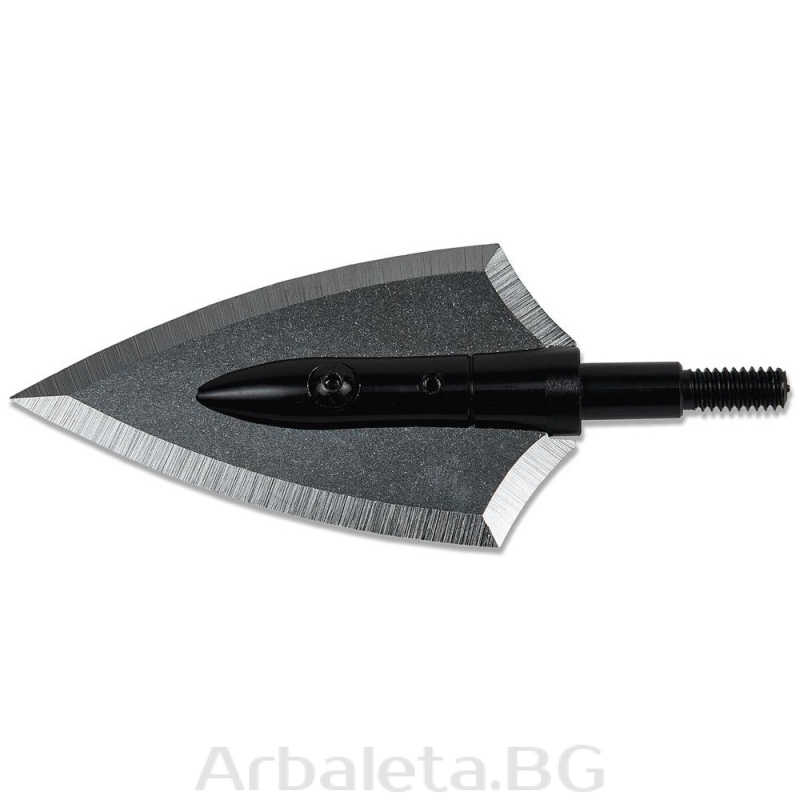
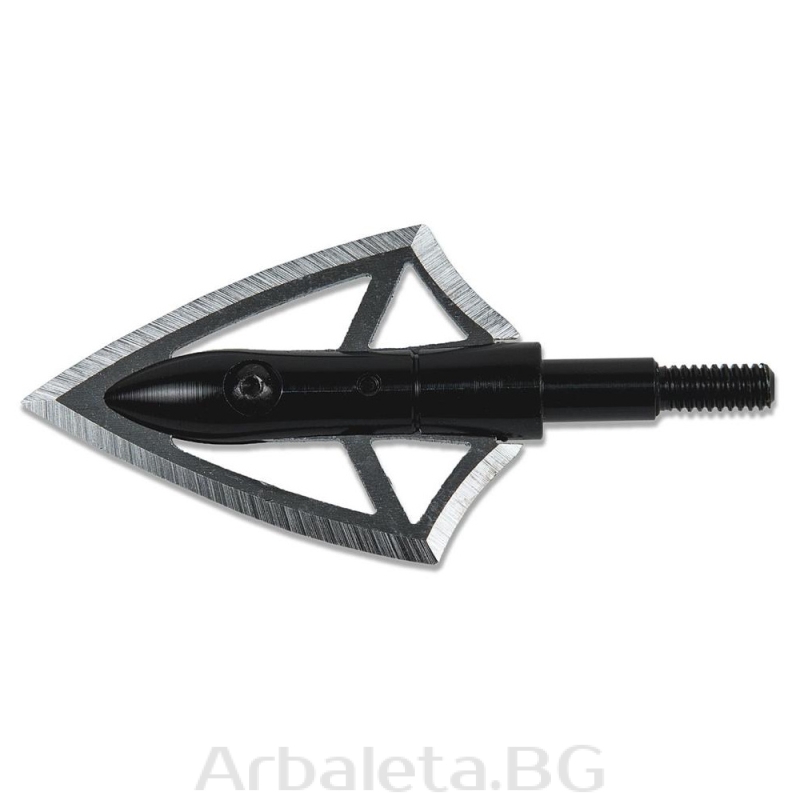

Set of 3 Bearpaw German Jager Hunting Broadheads
The German Jager hunting broadhead is a product created in collaboration between German technicians and North American bowhunters. The design and features are fine-tuned to ensure maximum impact. The German Jager was tested by Henry Bodnik and by bowhunters in the USA and Canada during a bowhunt in the toughest conditions. We are proud to have been able to bring our German quality thinking to this broadhead. The German Jager is manufactured by our American partners. - Blade material: 440C stainless steel - Ferrule material: 7076 T6 aircraft-grade aluminum - Hardness: HRC 54-56
-
A031755-1
Who it’s for
The Bearpaw German Jager set is for bowhunters who want a broadhead with a stainless steel blade and an aluminum ferrule. It suits those interested in a broadhead tested by bowhunters in tough conditions.
Key features
- Set of 3 German Jager broadheads.
- 440C stainless steel blade.
- Aircraft-grade 7076 T6 aluminum ferrule.
- Hardness HRC 54-56.
- Developed in collaboration between German technicians and North American bowhunters.
- Made by Bearpaw’s American partners.
Unique differentiators
- Combination of a 440C stainless steel blade and a 7076 T6 aluminum ferrule.
- Tested by Henry Bodnik and by bowhunters from the USA and Canada in harsh conditions.
- Design resulting from the collaboration between German technicians and North American bowhunters.
Why this product
The Bearpaw German Jager is a broadhead with a 440C stainless steel blade, hardness HRC 54-56, and a 7076 T6 aluminum ferrule. It was developed by German technicians together with North American bowhunters and tested while hunting in harsh conditions. The set contains 3 broadheads.
FAQ
How many broadheads does the set contain?
The set contains 3 German Jager broadheads.
What steel is the blade made of?
The blade is made of 440C stainless steel, with a hardness of HRC 54-56.
What is the ferrule made of?
The ferrule is made of aircraft-grade 7076 T6 aluminum.
Who tested the German Jager broadhead?
It was tested by Henry Bodnik and by bowhunters from the USA and Canada during a hunt in harsh conditions.